What Is Matarecycler?
Matarecycler is a term appearing online in discussions about recycling, sustainability, waste reduction, and technology-assisted waste management. It can be confusing because different websites use the name in different ways, from an educational recycling platform to a supposed smart recycling system.
The reliable approach is to separate documented information from broader descriptions. MataRecycler.com presents itself as a platform focused on responsible recycling, sustainable practices, environmental awareness, waste management, and practical information for individuals, businesses, and communities.
Other articles connect the term with artificial intelligence, sensors, automated sorting, smart bins, and data-driven recycling. Those technologies are real, but current evidence does not establish one universally recognized commercial machine carrying this exact name.
What Does the Website Represent?
MataRecycler.com says its purpose is to make recycling information accessible and practical while promoting responsible recycling, sustainability, and environmental awareness.
A separate MataRecycler.org site also presents itself as a digital magazine covering recycling, sustainability, and technology. Because the domains are separate, readers should not assume every article using the term comes from one organization.
How matarecycler Works
Although the keyword is not a standardized technical category, the ideas commonly linked with it can be understood through established recycling processes.
The U.S. Environmental Protection Agency explains that recycling generally involves collection, sorting and processing, manufacturing with recovered materials, and purchasing products made with recycled content.
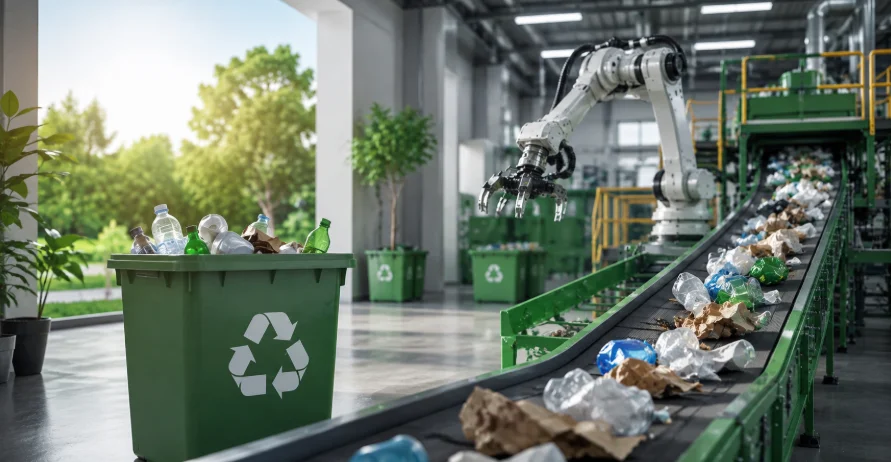
Modern facilities can add automation and data tools. Cameras and sensors may help identify materials, automated equipment can separate items, and software can monitor material flows and contamination.
A typical workflow is:
- Collection: Recyclables are gathered from homes, businesses, or drop-off centers.
- Inspection: Material is checked for composition and contamination.
- Sorting: Accepted categories are separated.
- Processing: Materials are cleaned and prepared.
- Remanufacturing: Recovered material enters new products.
- Monitoring: Data tracks quality, volume, downtime, and recovery.
The key idea is that technology supports the recycling chain rather than replacing it.
Why Automation Matters
Contamination is a major challenge for recycling programs. The EPA notes that incorrect items can contaminate a recycling stream, increase sorting work, and sometimes damage processing equipment. It also recommends checking local rules because accepted materials differ by community.
Automation can help facilities handle large volumes consistently. Machine vision, sensors, optical sorting, robotics, and software can reduce some manual tasks and improve the speed of material identification.
However, technology does not automatically produce better outcomes. Results still depend on collection quality, equipment maintenance, worker safety, processing capacity, downstream buyers, and the quality of recovered materials.
That is why the broader concept should be viewed as part of modern waste management rather than a magic solution.
Environmental Benefits of Recycling
The environmental goals behind smarter recycling are well established. The EPA reports that recycling can conserve natural resources, save energy, reduce waste sent to landfills and incinerators, and reduce pollution linked to obtaining new raw materials.
Recycling also keeps useful materials in circulation. Instead of extracting resources, manufacturing a product, and discarding it after use, recovered material can return to production.
At home, focus on simple habits: reduce unnecessary purchases, reuse products when practical, follow local recycling instructions, and use dedicated collection points for batteries and electronics.
Effective recycling does not depend on advanced equipment alone. Public participation, reliable collection, accurate sorting, and strong end markets all matter.
What Materials Can Be Recycled?
The answer depends on local infrastructure. Common recycling streams can include paper, cardboard, metals, glass containers, and selected plastics, but acceptance rules vary.
The EPA warns that communities do not all accept the same materials. Residents should check with their local provider before placing unfamiliar items into a recycling bin.
Special materials need extra care. Electronics, batteries, hazardous products, and contaminated items may require dedicated handling. Putting them into a general recycling stream can create safety problems or interfere with processing.
A responsible guide should prioritize local instructions over assumptions.
Common Claims
Search results sometimes describe it as an AI-powered platform with precise accuracy rates, automated sorting, or large improvements in recycling performance. Such statements should be treated cautiously when they do not identify a manufacturer, facility, technical paper, pilot program, product model, or independent test.
A repeated claim is not the same as verified evidence. The primary material available from MataRecycler.com focuses on recycling and sustainability information rather than technical specifications for a named industrial machine.
That does not make smart recycling fictional. AI-assisted sorting, optical systems, robotics, sensors, and automated material handling are genuine technologies. The key question is whether a particular performance claim has been documented for a specific product or project.
Is matarecycler a Real Product?
There is an important distinction between the online name and the product claims surrounding it.
MataRecycler.com is an active website with an About Us page and contact information, and it describes its purpose as publishing recycling and sustainability information.
However, current evidence does not establish one universally recognized physical device with a verified manufacturer, model number, technical datasheet, purchase page, and independently validated performance results.
Businesses should therefore avoid procurement decisions based only on generic articles. Before buying recycling technology, verify the supplier, specifications, certifications, maintenance requirements, throughput, energy use, operating costs, and demonstrated results.
How to Evaluate Smart Recycling Technology
Whether you are researching this topic or another recycling solution, check five areas:
- Source: Verify the manufacturer, organization, facility, or project behind the claim.
- Specifications: Check capacity, material categories, detection methods, power needs, and maintenance.
- Evidence: Prefer case studies, independent testing, pilot results, and facility references.
- Full cost: Include installation, labor, energy, maintenance, software, and replacement parts.
- End markets: Confirm that suitable processors or buyers exist for recovered material. Recycling economics can change with supply, demand, quality, and transport costs.
The Role of Data
Operational data can improve recycling management. Facilities may track incoming volumes, contamination, downtime, recovery rates, and material quality.
These measurements can show where waste enters the wrong stream or where useful material is lost. Data can also support maintenance and comparisons between sites.
A dashboard is only valuable when teams act on what it reveals.
Common Mistakes to Avoid
Treating the keyword as a confirmed product. A name appearing across blogs does not prove that a specific device exists.
Trusting statistics without sources. Claims about accuracy, savings, or recycling-rate increases should be traceable to testing or a named project.
Ignoring local rules. A material accepted in one community may not be accepted in another.
Skipping reduction and reuse. The EPA’s waste-management hierarchy places source reduction and reuse ahead of recycling when practical.
Focusing only on sorting equipment. Successful programs also need collection, clean material streams, processing capacity, markets, and responsible purchasing.
Frequently Asked Questions About Matarecycler
What is matarecycler?
The term is associated with recycling, sustainability, waste management, and technology-assisted recycling. Its clearest documented website presence is informational rather than a confirmed consumer hardware product.
Does it use artificial intelligence?
Some third-party articles describe AI, sensors, cameras, or automated sorting. Without primary evidence, those descriptions should not be treated as verified specifications for one official system.
Can I buy a matarecycler machine?
No clearly verified manufacturer or product listing establishes one standardized machine sold under this name. Check the supplier and testing evidence before paying for any claimed product.
Is smart recycling technology real?
Yes. Automated sorting, sensors, optical systems, robotics, and data tools are genuine technologies. Their existence does not prove every online claim about this keyword.
What is the first step toward better recycling?
Learn what your local provider accepts, separate materials correctly, reduce contamination, and prioritize reduction and reuse where practical.
Final Takeaway
Matarecycler is best understood as a term connected with recycling education, sustainability, and the wider move toward smarter waste management. The name appears in several contexts, so readers should distinguish documented website information from unsupported descriptions of an AI-powered product.
Effective recycling depends on correct collection, careful sorting, clean material streams, suitable processing, reliable end markets, and informed consumer behavior. Technology can improve these systems, but it works best alongside sound waste-management practices.
Before trusting any new recycling claim, verify who is behind it, what is actually being offered, and whether performance is supported by credible evidence. That evidence-first approach makes research about Matarecycler more useful, practical, and responsible.