If you recently found the term wenrath on a supply chain document, a historical map, or a company certificate, you are likely wondering what it actually means. Many people assume it is a global brand, a medical term, or a new software platform. In reality, wenrath refers to a highly specific geographic location and industrial zone in Germany. This small but economically powerful locality serves as a crucial node for European manufacturing, metalworking, and international trade. Understanding the exact background of this area requires looking beyond standard dictionary definitions to uncover its geographic roots.
Quick Facts: Wenrath At A Glance
- Location: Reichshof, North Rhine-Westphalia, Germany
- District: Oberbergischer Kreis
- Official Spelling: Wehnrath
- Population: Approximately 286 residents (as of late 2024)
- Primary Industries: Machinery, plastics, metal construction, electronics
- First Historical Record: 1357 (recorded as Wenegenroede)
Understanding the Wenrath Spelling and Meaning
One of the biggest hurdles when researching wenrath is the confusion over its exact spelling. The term does not have a standard dictionary translation because it is a proper noun linked directly to a regional settlement. You will rarely find the word isolated in casual conversation unless it pertains to business logistics or local government planning. The name has evolved significantly over centuries of regional dialect shifts and administrative updates. Today, you will encounter two primary variations of the word across different public records, certificates, and maps.
Wenrath vs. Wehnrath: Which is Correct?
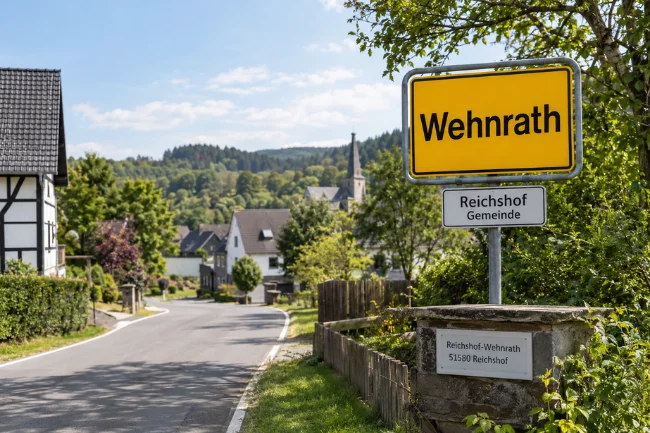
The official, modern spelling used by the local municipality is Wehnrath. However, the shorter variation without the “h” still appears frequently in older archives, international business directories, and specific company registration forms. This discrepancy often confuses foreign researchers who assume the two spellings represent completely different places. To clarify how these terms are used today, review the comparison breakdown below.
| Feature | Wenrath (Shorter Spelling) | Wehnrath (Official Spelling) |
| Primary Usage | Older documents, some international certificates, search queries | Official municipal records, modern maps, government portals |
| Geographic Target | Points to the Reichshof locality | Identifies the exact Reichshof locality |
| Business Context | Often found in translated or historical supply chain data | Used by modern companies headquartered in the business park |
| Search Accuracy | Yields mixed results, requires adding “Germany” | Yields precise, localized geographic and business results |
The Geographic Location of Wenrath
To truly understand why the name carries weight in industrial circles, you must look at its exact geographic placement. The locality sits directly within the municipality of Reichshof, which is part of the Oberbergischer Kreis district. This district falls under the larger jurisdiction of North Rhine-Westphalia, one of Germany’s most economically active and densely populated states. Despite being surrounded by nature, the settlement is highly connected to major urban centers. It lies northeast of the Wiehl reservoir, about 15 kilometers northwest of Gummersbach, and east of the major metropolitan hub of Cologne.
Proximity to Major Transport Infrastructure
The true value of this location comes down to logistics and regional transport connectivity. The locality is strategically positioned immediately next to the A4 motorway. This major European arterial route allows heavy freight and commercial vehicles to bypass crowded city centers while moving raw materials across the continent. Additionally, the nearby B256 highway provides crucial secondary routing for regional transport and local commuting. For businesses relying on tight supply chain timelines, this direct access to high-speed road networks makes the area an incredibly lucrative base of operations.
The Industrial Importance of Wenrath
While the residential population remains incredibly small, the local economic footprint is massive. The municipality actively designates the region as a primary commercial and industrial zone. Unlike sprawling urban factory districts, this specific business park integrates specialized, high-tech manufacturing into a rural setting. The area hosts a diverse array of companies spanning machinery manufacturing, wire drawing, microelectronics, and plastics processing. Global brands, such as the renowned bicycle tire manufacturer Schwalbe, have deep operational ties to this precise commercial zone.
Global Supply Chains and Company Records
If you are reading about wenrath from outside of Germany, it is almost certainly due to an international supply chain connection. Companies operating in the local business park frequently import raw materials from abroad, process them using specialized German engineering, and export the finished goods globally. When a facility receives official ISO certification, the location name gets stamped directly onto the public compliance documents. Consequently, procurement officers and supply chain auditors in North America or Asia frequently encounter the term during routine vendor background checks. This global paper trail turns a small German settlement into an internationally recognized industrial keyword.
A Brief History of Wenrath
The historical timeline of the area stretches back far beyond its modern industrial identity. The very first written mention of the settlement occurred in the year 1357. At that time, historical texts recorded the village under the name Wenegenroede. Over the intervening centuries, regional linguistic shifts naturally compressed and altered the word into the modern variations we see today.
As the region transitioned out of traditional agriculture, local leadership recognized the strategic value of the nearby transportation routes. The introduction of better road infrastructure, specifically the development of the A4 motorway, permanently changed the community’s trajectory. By deliberately zoning the land for commercial use, the area transformed from a quiet agricultural outpost into an essential economic center for the entire Reichshof municipality.
Living in the Wenrath Area
Despite the heavy industrial presence, the daily life of local residents remains distinctly rural and peaceful. The locality is firmly embedded in the Oberbergisches Land region, an area famous for its rolling hills, dense green forests, and expansive meadows. With a tiny population of fewer than 300 individuals, the residential community maintains a quiet, close-knit atmosphere.
Locals enjoy immediate access to extensive walking routes, cycling paths, and outdoor recreation near the Wiehl reservoir. This unique environment allows residents to work highly technical, specialized jobs in a cutting-edge business park while living just minutes away from pristine nature. It represents a perfect balance between robust economic opportunity and an idyllic, high-quality rural lifestyle.
Common Mistakes When Researching Wenrath
Because the name is incredibly obscure to outsiders, online researchers frequently fall into several analytical traps. First, many people assume the term represents a newly launched technology startup or an acronym for a business methodology. Searching the word without adding geographic qualifiers will often yield highly confusing or irrelevant results.
Second, researchers often fail to account for the modern spelling variation. If you only search using the shorter version of the word, you will miss out on the official municipal directories, precise mapping data, and current company registries. Finally, many people underestimate the area’s importance due to its tiny population. Do not equate a low residential headcount with low economic impact; the local business park drives significant regional commerce. Always pair the keyword with terms like “Reichshof,” “Germany,” or “business park” to ensure maximum search accuracy.
Conclusion: The True Value of Wenrath
Ultimately, the term wenrath is much more than a confusing spelling variation on a corporate certificate. It serves as a direct geographic link to a highly specialized industrial hub in the heart of Germany’s North Rhine-Westphalia region. By successfully blending high-tech manufacturing, optimal transport logistics, and a peaceful rural environment, the community exemplifies modern European economic efficiency. Whether you are auditing an international supply chain, tracing historical roots back to the 14th century, or simply mapping out the Reichshof commercial zones, knowing the context behind this keyword is essential. The next time you encounter wenrath on an official document, you will know exactly where it points and why it remains so vital to global commerce.