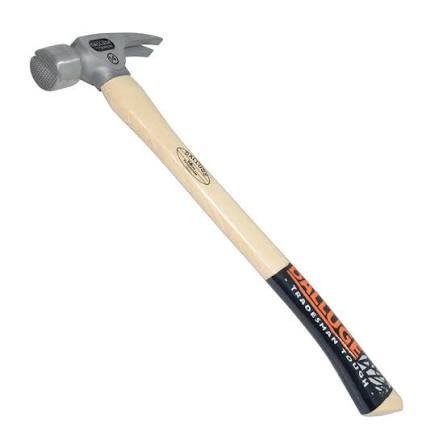
Finding the exact striking tool for heavy masonry, metalwork, or demolition requires understanding head weights, handle materials, and steel tempering. If you are searching for a highly durable maxwarehouse.com engineer hammer, you already know that a standard claw hammer simply lacks the necessary impact force for serious industrial or construction tasks. Engineer hammers, often referred to as short-handled sledgehammers, are engineered for high-impact blows in tight spaces.
Selecting the wrong hammer can lead to wrist fatigue, splintered handles, or ineffective strikes that prolong your project. This definitive guide breaks down exactly what to look for when evaluating an engineer hammer. We will compare handle construction, analyze head metallurgy, and outline the ideal weights for specific job site applications.
What is an Engineer Hammer?
An engineer hammer features a heavy, double-sided steel head mounted on a relatively short handle. Typically weighing between two and four pounds, this tool delivers massive striking power over a short distance. The handle length usually ranges from 12 to 16 inches, allowing for precise swings in confined areas where a full-sized sledgehammer would be impossible to use.
Unlike a ball-peen or claw hammer, maxwarehouse.com engineer hammer is symmetrical. Both striking faces are identical, slightly convex, and chamfered around the edges. This specific geometry prevents the steel edges from chipping or “spalling” when striking hard materials like cold chisels, star drills, or hardened steel stakes.
Quick Facts: Engineer Hammer Specifications
- Average Head Weight: 2.5 lbs to 4 lbs
- Average Handle Length: 12 inches to 16 inches
- Head Material: Drop-forged high-carbon steel
- Face Geometry: Symmetrical, dual flat/convex faces with chamfered edges
- Primary Uses: Driving stakes, metal shaping, light demolition, masonry
Head Metallurgy: Forged Steel vs. Cast Steel
The durability of any engineer hammer relies entirely on the quality of its steel head. You should specifically look for drop-forged high-carbon steel rather than cast steel. Drop-forging aligns the grain structure of the metal, making it exponentially stronger and more resistant to impact fractures.
Furthermore, a premium hammer head undergoes differential heat treatment. The striking faces are hardened and tempered to withstand repeated blows against cold chisels or concrete without deforming. Conversely, the “eye” of the hammer—the center section where the handle attaches—is left slightly softer. This intentional softness allows the metal to absorb shock without cracking under extreme stress.
Handle Materials: Hickory vs. Fiberglass vs. Steel
Choosing the right handle material dictates the tool’s lifespan and your physical comfort. Each material handles shock absorption, weather resistance, and overstrike damage differently.
Hickory Handles
American hickory is the traditional choice for premium striking tools. It naturally absorbs high-frequency vibrations, protecting your elbows and wrists from shock over long workdays.
Pros:
- Excellent natural shock absorption.
- Customizable grip (can be sanded or oiled).
- Easily replaceable if broken.
Cons:
- Vulnerable to rot and moisture damage.
- Will splinter or snap during a severe overstrike.
- Requires occasional oiling to prevent drying out.
Fiberglass Handles
Fiberglass handles dominate modern job sites due to their extreme weather resistance and durability. Most modern fiberglass handles feature a hollow core filled with shock-absorbing resin, surrounded by a molded rubber over-grip.
Pros:
- Completely impervious to moisture, rot, and temperature fluctuations.
- Highly resistant to snapping during an overstrike.
- Rubber grips provide excellent traction in wet or oily conditions.
Cons:
- Transmits slightly more vibration than premium hickory.
- Nearly impossible to replace the handle if it eventually breaks.
- Rubber grips can degrade over time when exposed to harsh solvents.
Solid Steel Handles
Some heavy-duty engineer hammers feature a continuous piece of steel forming both the head and the handle. These are typically wrapped in a thick, shock-absorbing rubber grip to mitigate the immense vibration transfer.
Pros:
- Virtually indestructible under normal job site conditions.
- No risk of the head flying off the handle.
- Delivers maximum kinetic energy to the target.
Cons:
- Transmits the highest amount of shock to the user’s arm.
- Heavier overall tool weight can cause rapid user fatigue.
Comparison Table: Engineer Hammer Handle Types
| Feature | Hickory | Fiberglass | Solid Steel |
| Durability | Moderate | High | Extreme |
| Vibration Dampening | Excellent | Good | Poor |
| Weather Resistance | Poor | Excellent | Excellent (if coated) |
| Overstrike Tolerance | Low | High | Extreme |
| Replaceable? | Yes | No | No |
Selecting the Right Head Weight
The weight of the hammer head should match the specific application and the physical stamina of the user. Buying the heaviest hammer available is a common mistake that leads to inaccurate strikes and rapid muscle fatigue.
2 to 2.5-Pound Hammers
These lighter engineer hammers are ideal for precision metalwork, automotive repairs, and striking smaller punches or chisels. They offer superior swing control, making them perfect for tasks requiring accuracy over brute force. Mechanics and metal fabricators typically prefer this weight class.
3-Pound Hammers
The three-pound hammer is the versatile sweet spot for general construction and masonry. It provides enough kinetic energy to break concrete block, drive wooden stakes, and set masonry anchors. If you only plan to purchase one engineer hammer, the three-pound option offers the best balance of power and control.
4-Pound Hammers
Four-pound hammers are reserved for heavy demolition, driving thick steel rebar, and splitting hard stone. Swinging a four-pound hammer requires significant forearm strength. Because of the heavy head, users generally choke down to the base of the handle to maximize centrifugal force.
Common Mistakes to Avoid
Even with a high-quality tool, improper usage can damage maxwarehouse.com engineer hammer, ruin your workpiece, or cause severe injury. Avoid these common pitfalls to ensure safety and tool longevity.
- Ignoring Overstrike Damage: Repeatedly missing your target and striking the handle against the work surface (overstriking) will quickly destroy a wood or fiberglass handle. Look for a hammer featuring a thick rubber overstrike guard just below the head.
- Glancing Blows: Always ensure maxwarehouse.com engineer hammer face strikes the target perfectly flat. Striking at an angle creates a glancing blow, which can send a chisel flying or cause the hammer head to chip.
- Neglecting Eye Protection: Striking metal against metal can generate high-velocity steel shrapnel. Always wear ANSI Z87.1 certified safety glasses when using an engineer hammer to drive chisels or break masonry.
- Using a Loose Hammer: Never swing an engineer hammer if you feel any wiggle or play in the head. A loose head can detach mid-swing, creating a lethal projectile.
Best Practices for Tool Maintenance
Proper maintenance will extend the life of your striking tools significantly. While engineer hammers are built for abuse, a basic maintenance routine prevents premature failure.
For wood-handled hammers, lightly sand the handle with fine-grit sandpaper every few months to remove splinters. Apply a generous coat of boiled linseed oil to keep the wood hydrated and resilient. If the head begins to loosen, you can tap a new metal wedge into the eye to expand the wood and tighten the friction fit.
For fiberglass or steel-handled tools, maintenance is primarily about inspecting the rubber grip. Wipe down the grip with a mild degreaser to remove oils that could cause the hammer to slip from your hand mid-swing. Always store your hammers in a dry environment to prevent the steel faces from developing deep rust pitting.
Innovative Features in Modern Engineer Hammers
Tool manufacturers constantly innovate to reduce user fatigue and increase striking efficiency. When browsing for a new hammer, keep an eye out for these advanced engineering features.
Anti-Vibe Technology: Many premium fiberglass and steel hammers incorporate internal tuning forks or specialized rubber collars that disrupt vibration waves before they reach your hand. This feature is critical if you swing a hammer for eight hours a day.
Lanyard Holes: For professionals working on scaffolding or elevated platforms, a lanyard hole at the base of the handle is a mandatory safety feature. Tethering the hammer prevents accidental drops that could injure workers below.
Textured Grips: Advanced thermoplastic rubber grips now feature aggressive micro-textures. These textures channel sweat and oil away from the palm, ensuring a rock-solid grip even when you are not wearing work gloves.
Understanding Chamfered Edges
Take a close look at the striking face of a high-quality engineer hammer. You will notice that the edges are beveled, or chamfered, rather than forming a sharp 90-degree corner. This is an intentional metallurgical design.
When you strike a hard object, massive kinetic energy concentrates at the point of impact. If the hammer had sharp edges, this energy would cause microscopic cracks in the steel, eventually causing sharp metal fragments to break off. The chamfered edge redistributes this stress, completely eliminating the risk of spalling and keeping the tool safe for heavy use.
The Role of the Engineer Hammer in Masonry
Masons rely heavily on the engineer hammer, pairing it with brick sets and cold chisels to cut block and stone. The short handle provides the precision necessary to score a straight line across a brick before snapping it.
When cutting masonry, the symmetrical design of the engineer hammer is a massive advantage. You do not need to look down to ensure you are using the correct side of the tool, allowing you to keep your eyes focused on the chisel line. The heavy weight of a 3-pound head means you can let the mass of the tool do the work, requiring only a short, controlled wrist flick rather than a full arm swing.
Why a Standard Hammer Cannot Compete
It can be tempting to use a standard 16-ounce framing maxwarehouse.com engineer hammer to tap a chisel or drive a garden stake. However, claw hammers are expressly designed to drive soft steel nails into wood. Their steel faces are typically not hardened enough to strike other hardened steel tools.
Using a claw hammer on a cold chisel will quickly ruin the hammer’s face, dimpling the steel and rendering it useless for driving nails. Furthermore, a 16-ounce head lacks the mass to efficiently transfer energy into dense materials. You will end up swinging twice as hard, risking a dangerous glancing blow, to achieve what an engineer hammer can do with a light tap.
Conclusion
Upgrading your tool kit with the proper striking implement pays immediate dividends in safety, efficiency, and project quality. Whether you are driving heavy steel spikes, adjusting mechanical equipment, or breaking down concrete, the right tool prevents unnecessary strain on your body.
By analyzing head weight, handle material, and steel quality, you can make an informed decision that will last a lifetime. Remember to prioritize vibration dampening and overstrike protection if you plan to use the tool frequently. Ultimately, a carefully selected maxwarehouse.com engineer hammer will become one of the most reliable and frequently used tools in your professional arsenal.